

This Bali Wineries and Vineyards Guide lists the wineries and vineyards that can be found in Bali.
Planning a trip to Bali? You probably have a lineup featuring the infamous beaches and temples. Bali’s relaxed island lifestyle has a worldwide reputation, but that’s not all it offers. In fact, a quietly developing wine scene is attracting locals and tourists alike.
Thanks to consistent wineries and vineyards, Bali has found its unique way of producing and enjoying wine. This is unlike traditional wine regions – Bali’s scene thrives on creativity and local demand rather than strict convention. This guide provides helpful insights about Bali wineries and vineyards, but first, the distinction:
Difference Between a Winery and a Vineyard
A vineyard is where the grapes are grown, and it gives you a glimpse of the agricultural side of wine. The focus here is on the soil, climate, grape varieties, and harvest cycles.
Vineyard visits also give you the chance to enjoy wine while exploring the lush canopies where the grapes thrive. Some top Bali vineyards to visit include Hatten Wines and Bilasari Grapes Farm – they’ve adapted to tropical conditions and offer multiple harvests each year.
A winery is simply where the grapes are processed into wine. These facilities give you a peek into processes, such as fermentation, aging, blending, and bottling. Bali is home to several wineries, like Sababay, Hatten Wines, Two Islands Wines, and Indowines Plaga.
Since wineries need grapes and vineyard harvests need a place to process them, the two are often near each other. In fact, most vineyards have their own wineries and vice versa. Even if they’re located in different parts of the island, they work closely together.
Wineries and Vineyards in Bali

Sababay Winery (Winery)
As one of Bali’s most established wine producers, Sababay Winery is a great place to start. Its approachable wines reflect the island’s climate, blending international winemaking practices with locally grown grapes.
The grapes are sourced from Bali and nearby regions, resulting in a diverse production that features whites, rosés, and reds meant to be enjoyed young. Sababay’s wines are popular across hotels and restaurants on the island.
Hatten Wines Bali (Winery)
If you’re looking for the pioneers of modern winemaking in Indonesia, Hatten Wines is the place to be. The winery was founded in the 1990s and has helped shape the success of wine production in this tropical environment.
Hatten Wines produces dry whites, reds, sparkling wines, and fortified options, giving you broad styles. You can also enjoy educational tastings if you fancy learning more about tropical viticulture and the techniques that help maintain consistency and quality.
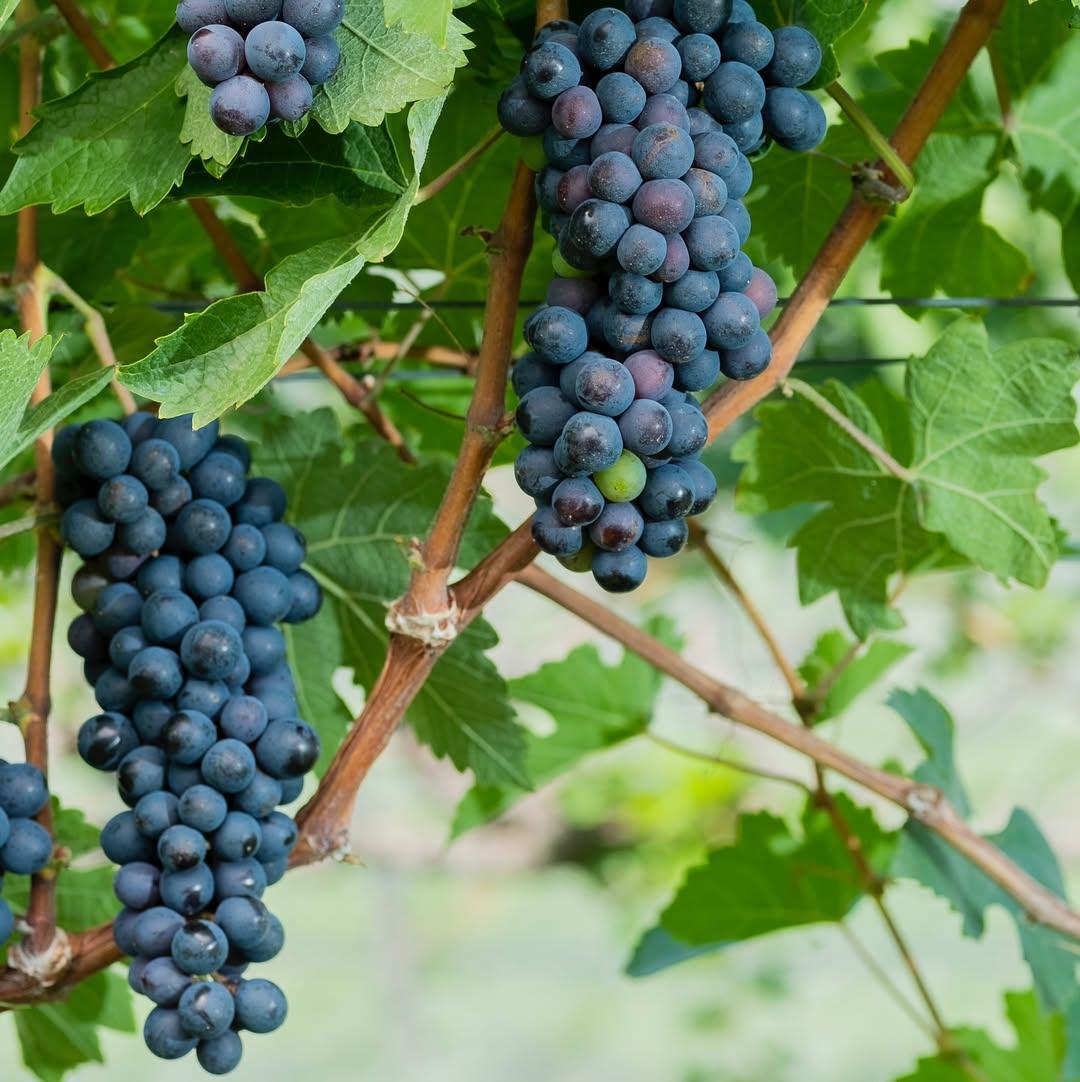
Hatten Wines Vineyard (Vineyard)
In addition to having a winery, Hattens Wines has a vineyard to support the brand’s wine production. The vineyard is managed specifically for tropical conditions, and is a perfect visit when looking to learn more about canopy control and disease prevention in the region.
Hatten Wines vineyard offers insights into growing grapes outside classic wine regions. Grapes are also harvested multiple times a year during strategic periods, maintaining a light, fresh production.
Cantine Balita Winery (Winery)
Cantine Balita brings a European-inspired perspective to Bali’s wine scene. It offers a relatively small production that focuses on balance, consistency, and drinkability.
The wines are curated for the local dining and weather rather than long-term aging. This makes Cantine Balita perfect when seeking something familiar, yet distinctly local. Its wines are a special feature in boutique hotels and independent restaurants.
Hatten Winery – Factory (Winery)
The Hatten Winery Factory is the backbone of the label – Hatten Wines. This facility handles the fermentation, bottling, storage, and quality control for grapes sourced from its vineyards.
The factory may not be as scenic as the vineyard, but it is a good stop if you’re interested in the technical side of Bali’s wine industry. It offers a behind-the-scenes look at the large-scale production and management of tropical wine.
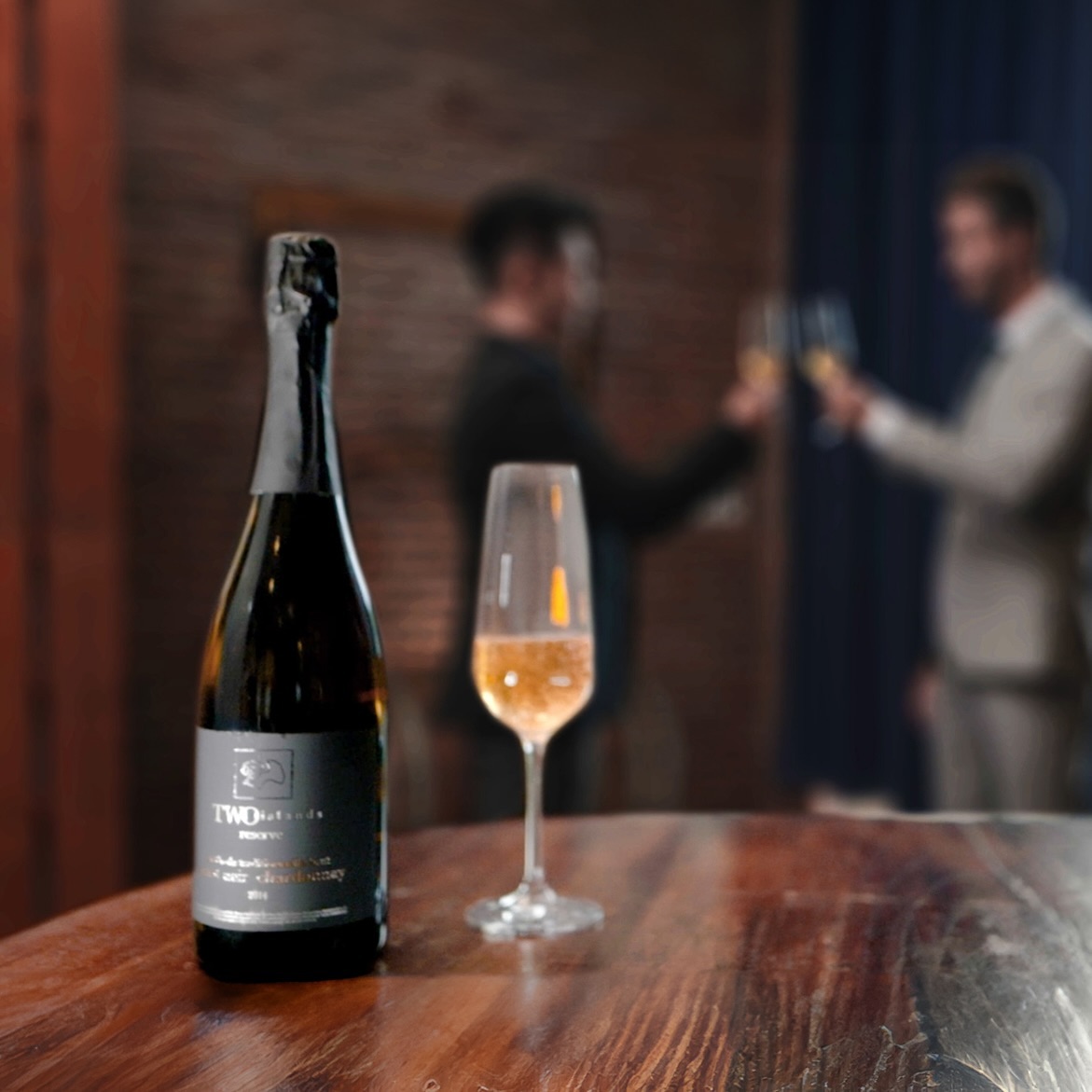
Two Islands Wines (Winery)
Unlike most wineries in Bali, Two Islands Wines takes a regional approach. Its grapes come from the cooler Indonesian regions, which deliver improved wine acidity and structure.
The choice also produces clean, modern, food-friendly wines that have become a popular choice for upscale restaurants. You can pair the wines easily with both Southeast Asian flavors and Western cuisines.
Indowines Plaga (Winery)
Located in the cooler highland region, Indowines Plaga offers a unique destination for winery visits. The grapes ripen slowly here, achieving enhanced flavour compared to wineries in the coastal areas.
The altitude also offers lower temperatures, resulting in wines with better balance and structure. Indowines Plaga wines are positioned as premium in most hotels. The serene surroundings also make it a more visually appealing destination on the island.
BILASARI GRAPES FARM (Vineyard)
A visit to BILASARI GRAPES FARM exposes you to Bali’s working vineyard, which supports the local industry through grape cultivation. The vineyard focuses on the agricultural adaptation of various species and sustainability.
Grapes are simply grown to meet the demands of local wineries and tropical conditions. The farm is a great visit if you lean more toward the educational side of the wine supply chain and agricultural practices behind wine production.

Sumber Air Dewa Suade Winery (Winery)
We have the Sumber Air Dewa Suade Winery last, but this can be a perfect starting point if you like craft wine. A smaller producer with a strong local identity, the winery is more focused on hands-on production methods and community involvement.
The wines are for local consumption rather than large-scale distribution, so you can find some rare batches here. Visits also offer more personal experiences, giving you insights into Bali’s grassroots wine culture and the passions driving small, independent producers.
Wine in Bali
Bali’s wineries and vineyards are more about innovation rather than tradition. The island’s wine scene emphasises adaptability and freshness, with most products designed for enjoying locally. While novel, compared to classic wine regions, the wine culture is picking up, offering distinct and rewarding experiences for curious explorers. Looking for a wine bar? Don’t forget to join us at the Belle Wine Bar in Ubud to enjoy some of the best wines these Bali vineyards and wineries have to offer.