
In this How to Taste Wine Guide, we give you the essential wine tasting tips to know.
Wine tasting is an art that began from the curiosity of the early Greeks and Romans out of a mere survival instinct. Centuries later, we find ourselves swirling glasses, having discussions about tannins and acidity, and describing notes in categories like blackberries and wet stone. Sounds complicated, right?
The truth is that wine tasting is simply the process of paying attention; every wine tells a story through its appearance, aroma, flavour, and texture. You do not need a trained palate, an expensive bottle, or formal wine education to taste wine properly, only a few simple techniques and a tongue.
Do I Need to Know How To Taste Wine?
We do not think anyone deserves reprimand for drinking wine without giving much thought to what they are drinking. There is absolutely nothing wrong with that, but tasting wine unlocks a deeper appreciation of the effort behind each bottle.
Winemaking is a culmination of countless decisions, including the grape variety, climate, soil, harvest timing, fermentation process, and aging methods. We taste wine to identify those differences and recognise how they come down to the tasty blend in your glass.
The more wines you taste, the easier it is to identify the styles, regions, and flavour profiles of wine that suit your personal preferences.
Start With the Appearance
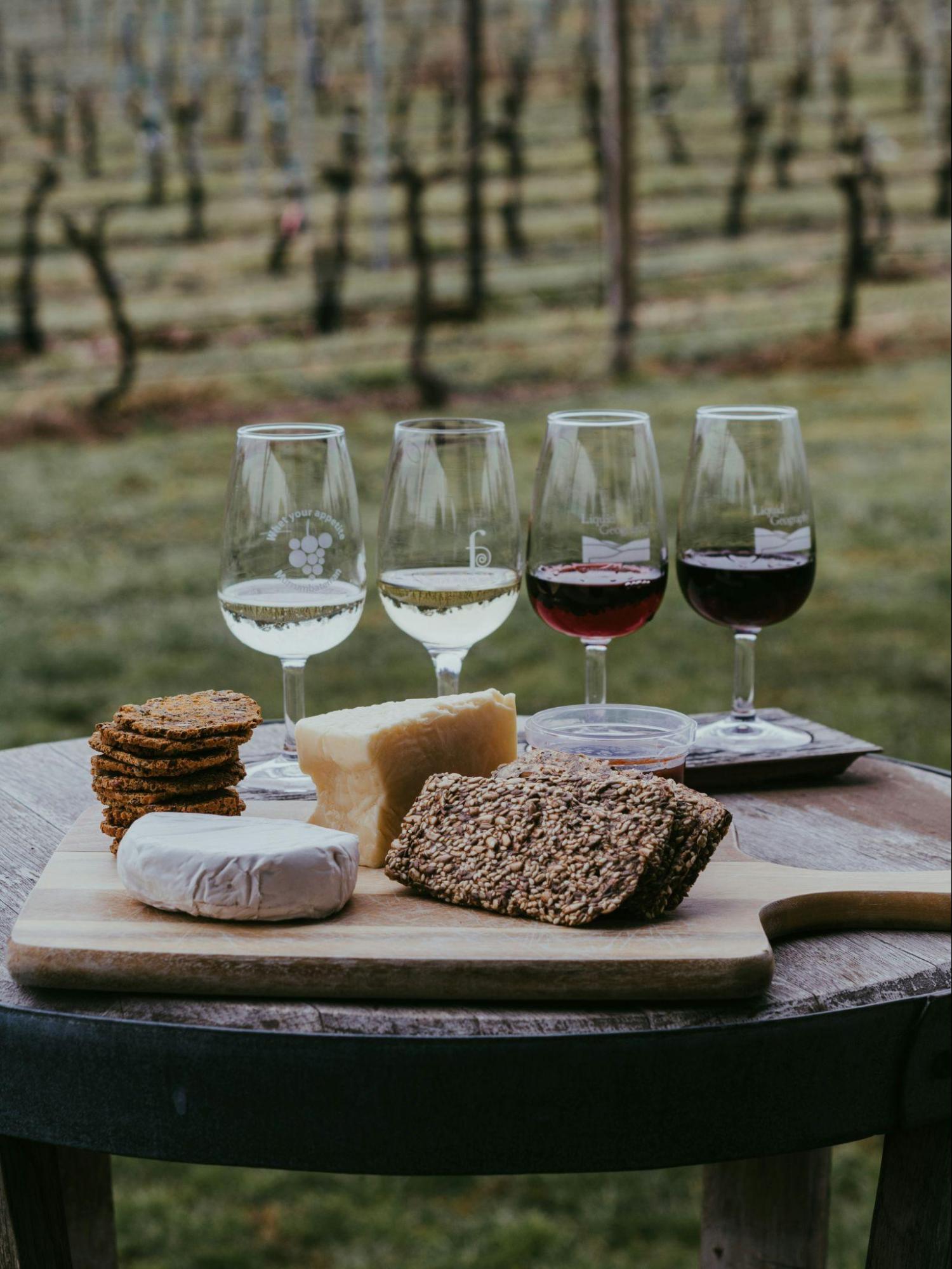
Before taking a sip, hold the glass against a white background and observe the colour and clarity. White wines may have a pale straw, light gold or deeper amber hues. Red wines can vary from bright ruby and garnet to deep purple tones. The rule of thumb is that younger wines have much brighter colours, whereas older wines may develop more muted shades as they age.
Appearance may not tell you everything about a wine, but it is the first clue about what you are about to drink.
Swirl the Wine
A sort of wine tasting ritual, swirling the glass may seem purely theatrical. But the practical reason behind it is that it introduces oxygen into the wine to release aromatic compounds trapped in the glass.
A gentle swirl is all that is required; no need to aggressively spin the wine around the bowl.
After swirling, you may also notice the “legs” or “tears” running down the inside of the glass. These are largely influenced by alcohol content and do not necessarily indicate quality. The real purpose of swirling is preparing the wine for the next step: smelling.
Smell Before You Sip
According to the World Health Organization’s research, just about 90% of what we perceive as taste actually comes from aroma. Before taking that first sip, place your nose near the rim of the glass and take a slow inhale. You’ll definitely get a whiff of fruit, flowers, herbs, spices, oak, or earthy characteristics depending on the wine.
Do not worry about identifying the “correct” aromas; there are no points awarded for finding obscure descriptors. If a wine reminds you of cherries, citrus, vanilla, chocolate, blackberries, fresh herbs, or even something unexpected, trust your senses.
Take a Small Sip
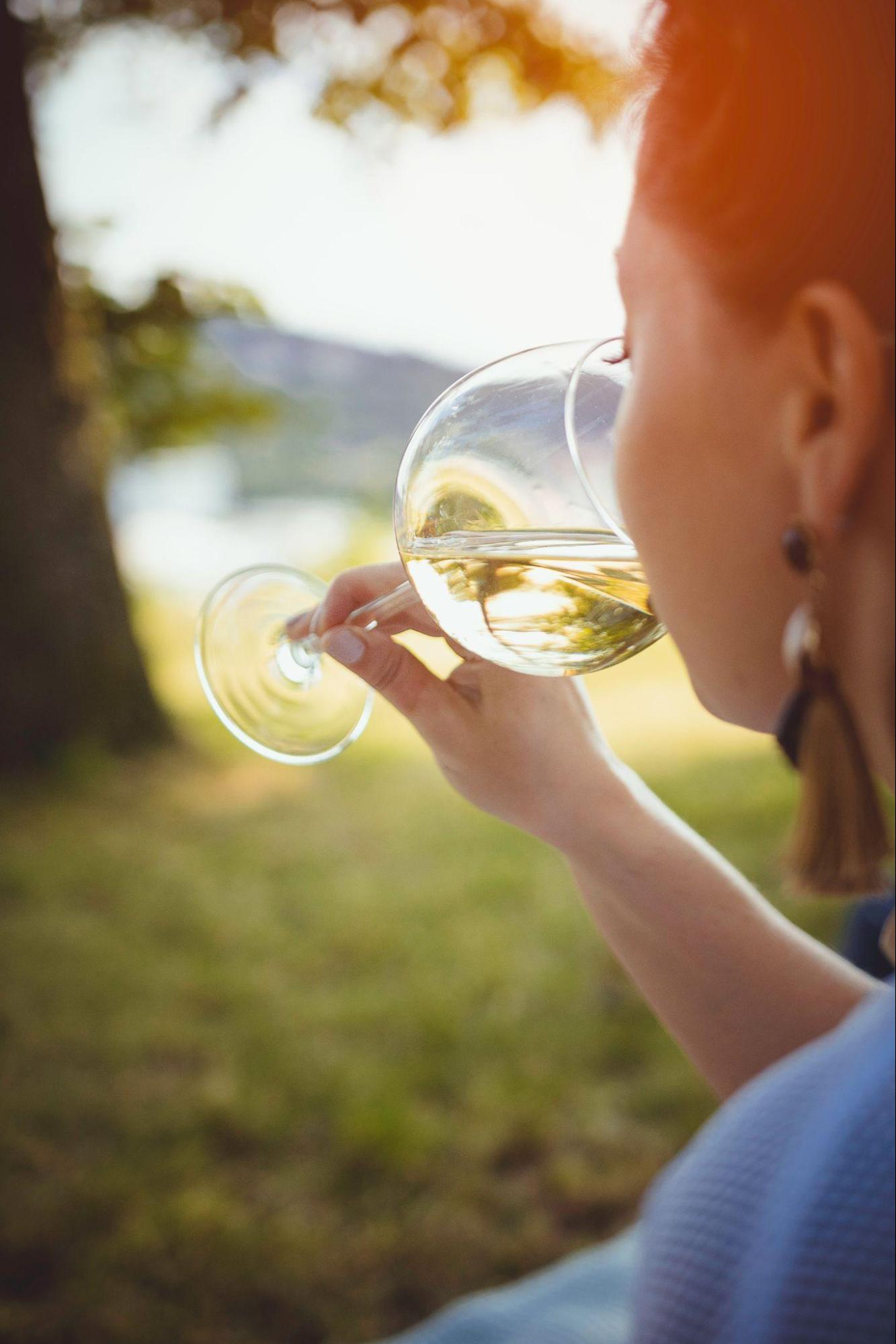
When it is time to taste after the swirl and the sniff, try as much as you can not to take a mouthful. A small sip is all that you need to focus on the wine’s structure and flavour profile. Let the wine move across your tongue before swallowing. Now, as you taste, be mindful of the following points:
Sweetness
Is the wine dry, slightly sweet, or noticeably sweet? Many wines have little to no residual sugar, but fruit-forward wines “carve the impression” of sweetness, but they are technically dry.
Acidity
A highly acidic wine will make your mouth water in the same way a squeeze of lemon does. Acidity is imperative in the making of white wines and sparkling wines, though many red wines also possess significant acidity.
Tannins
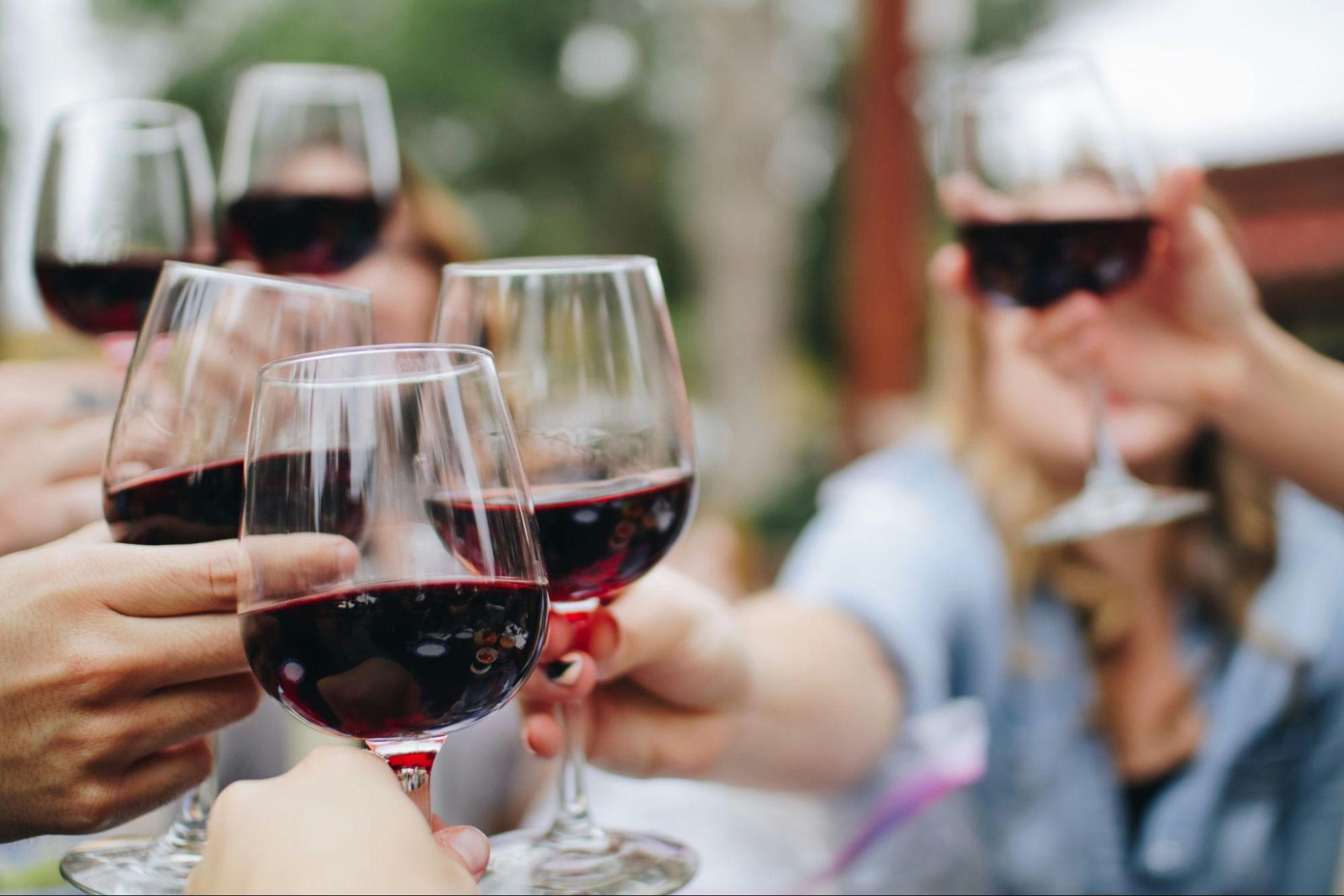
Tannins are primarily found in red wines, which connoisseurs will tell you create a drying sensation on the gums and tongue. Young Cabernet Sauvignon wines, for example, have more prominent tannins than lighter reds such as Pinot Noir.
Body
Body refers to how heavy or light the wine feels in your mouth. Some wines feel crisp and refreshing. Others feel rich, full, and almost creamy.
Attention to the Finish
The flavours of wine will definitely linger around your mouth after swallowing, and at that point, you might be too immersed in the drink to care that this is the final step.
Some wines leave a little impression behind. Others continue developing for several seconds or even minutes after the wine has left your mouth. A longer finish is not always a guarantee of quality, but it is a sign that you’ve downed a sip of a complex wine.
Compare Different Wines
One of the best ways we could recommend to improve your wine tasting skills is through comparison.
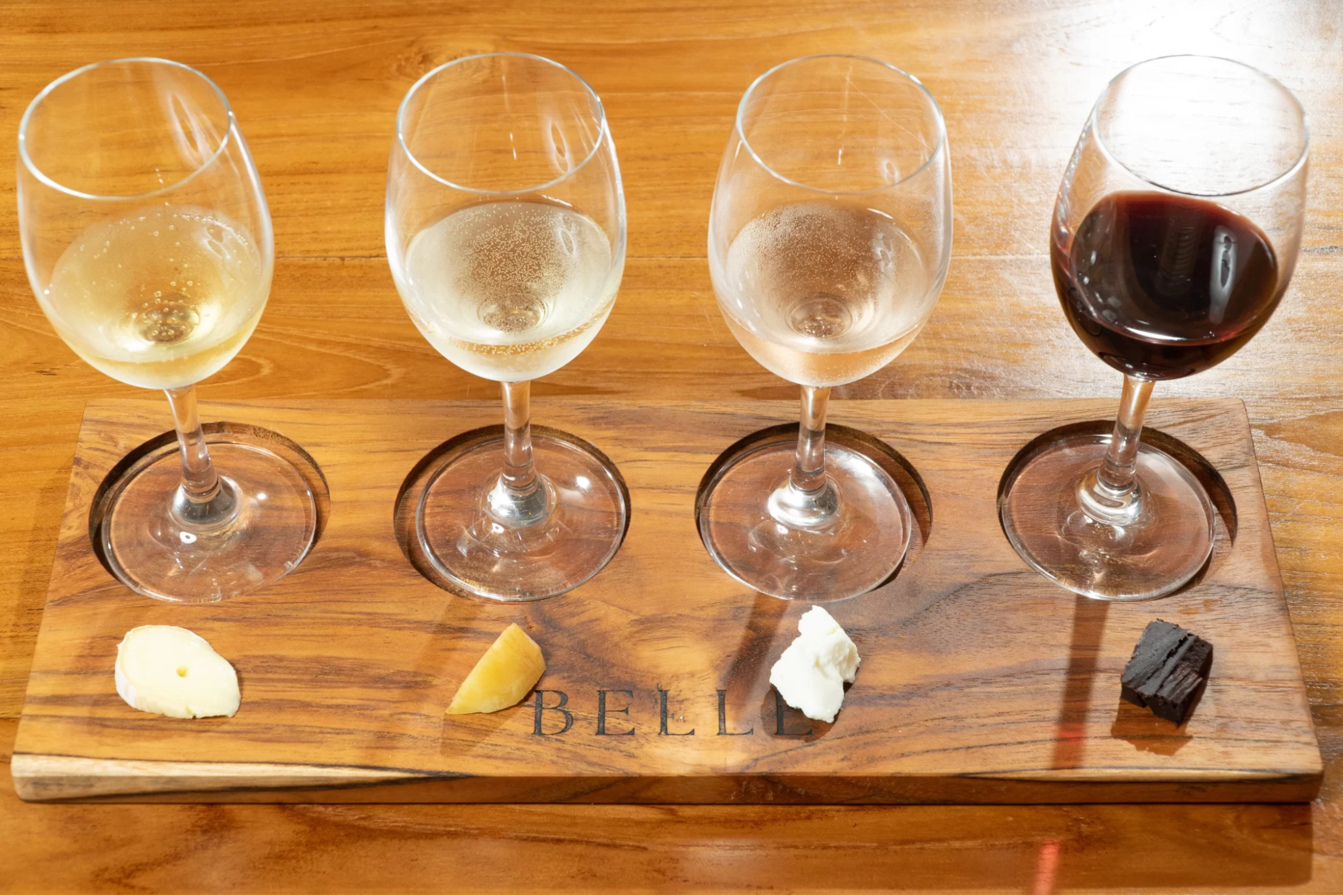
Tasting a single wine is enjoyable, but comparing a Sauvignon Blanc and a Chardonnay is how you’d know white wines have varying acidity, texture, and flavour. The same principle applies to red wines from different regions and grape varieties.
Wine Tasting in Bali
We can all agree that, whatever part of the world you are from, wine just feels better alongside food because they bring out the best of each other.
Acidic white wines are a beautiful pair for seafood because their freshness complements delicate flavours and cuts through richness. For anyone learning how to taste wine, tasting the same wine before and after a bite of food will show you just how perception of a wine can change.
At Belle Wine Bar in Bali, our guests have over 25 wine varieties from around the world, available by the glass, bottle, or as curated wine flights to taste. Visit our Ubud wine bar and we’ll show you why tasting is as much about the journey as it is the wine itself.