
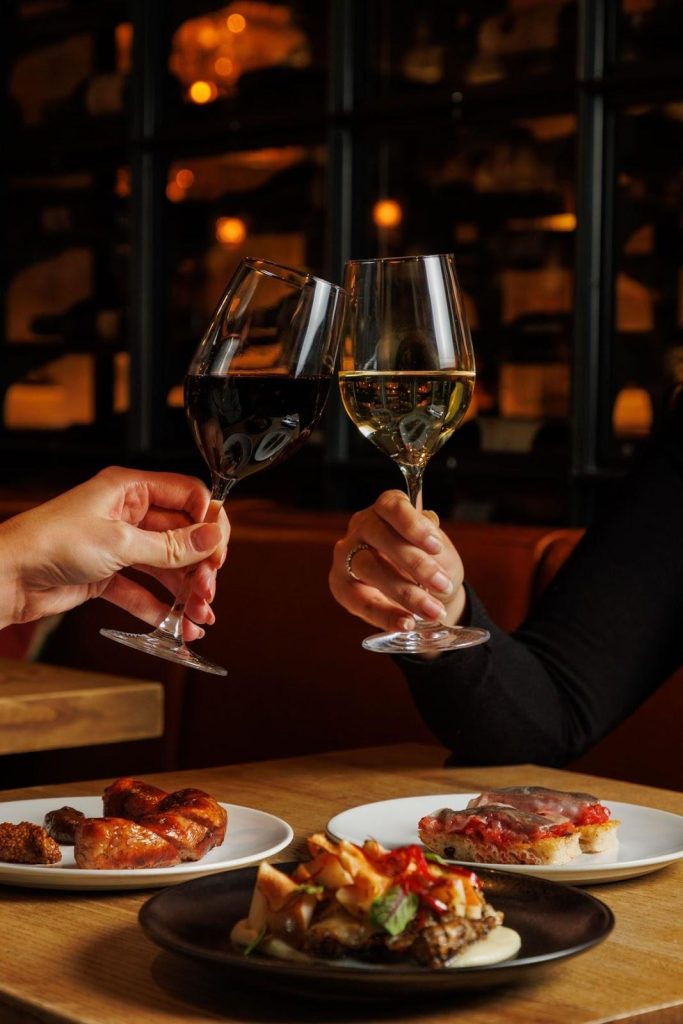
In this The History of Wine Bars article, we give the origin and evolution of this popular type of drinking venue.
Built for relaxation, wine bars have become a staple of modern dining and nightlife. Wine may appear contemporary and trendy, but they actually have a long and fascinating history that stretches back centuries.
From the early taverns and wine houses to the modern global trends, wine bar traditions have endured and will continue to thrive. A little history might be all you need to enjoy and appreciate each stop and glass of wine you drink.
Here’s what to know about the history of wine bars:
Early Taverns and Wine Houses
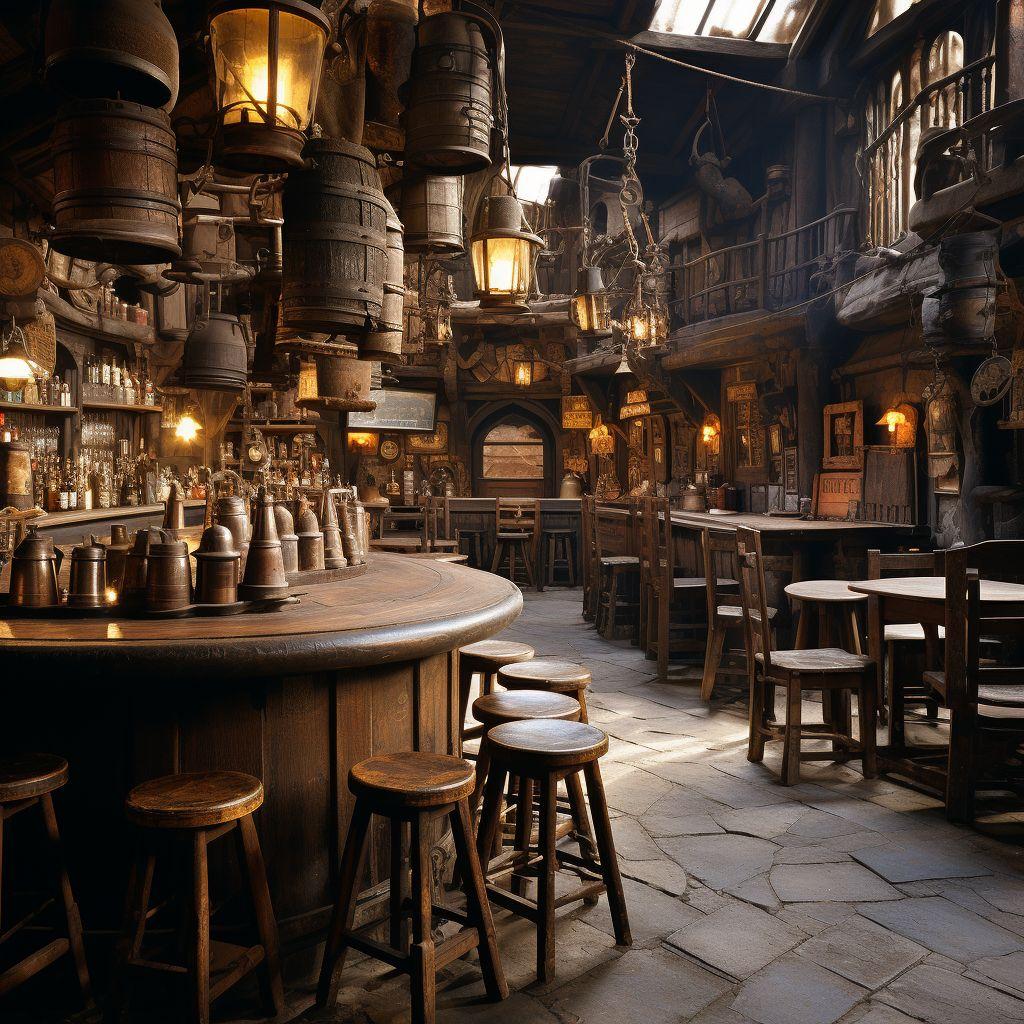
When it comes to wine bars, all evidence points back to Europe, where taverns and wine houses served as social hubs for centuries. In 17th- and 18th-century France, wine houses, also known as “caves à vin,” served wine in small, informal settings.
Unlike large inns or restaurants, these spaces focused primarily on the beverage itself. Patrons would gather to taste local wines, share stories, and socialise, creating an atmosphere that blended community and culture. The settings were more casual and approachable.
In Italy and Spain, small “enotecas” emerged to showcase regional wines. Like those in France, these establishments provided opportunities to sample different vintages, learn about winemaking, and enjoy simple pairings like cheeses or cured meats.
These early wine bars laid the foundation for the modern emphasis on exploration, tasting, and education above formalities.
Wine Bars in the 20th Century
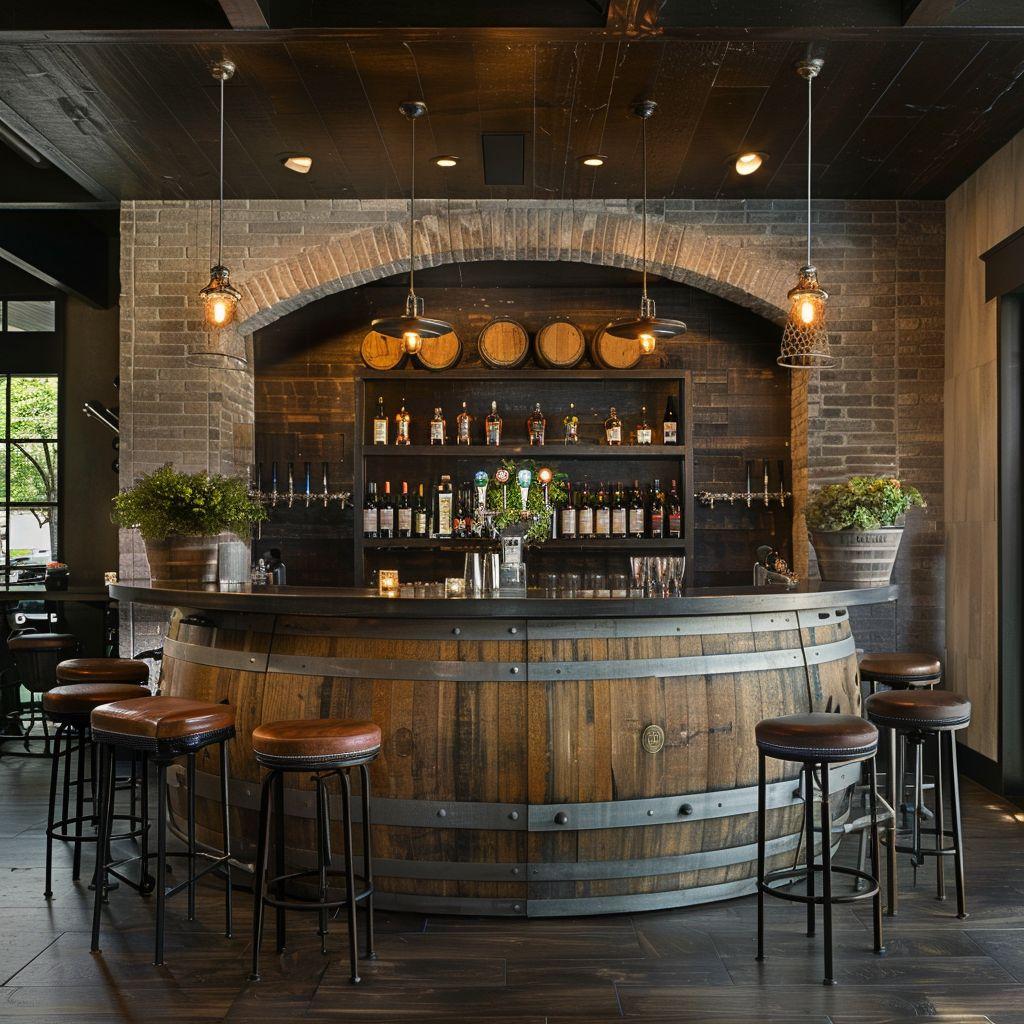
By the 20th century, wine bars had spread across Europe. You could hardly miss them in large cities like Paris and London. Wine bars also began appearing in New York and other parts of the USA and the world.
Modern cities embraced the concept as urban dwellers sought casual alternatives to formal dining. After the world wars, wine bars evolved into stylish venues but maintained their approachable atmospheres, combining social interaction with wine appreciation.
During this period, wine bars became known for their curated selections. Owners and skilled sommeliers carefully chose wines to highlight quality and variety. Light bites, artisanal cheeses, and small plates also became standard pairings.
The Rise of the Modern Wine Bar
Like many things around dining, the 20th-century introductions laid the foundation for what became modern conventions.
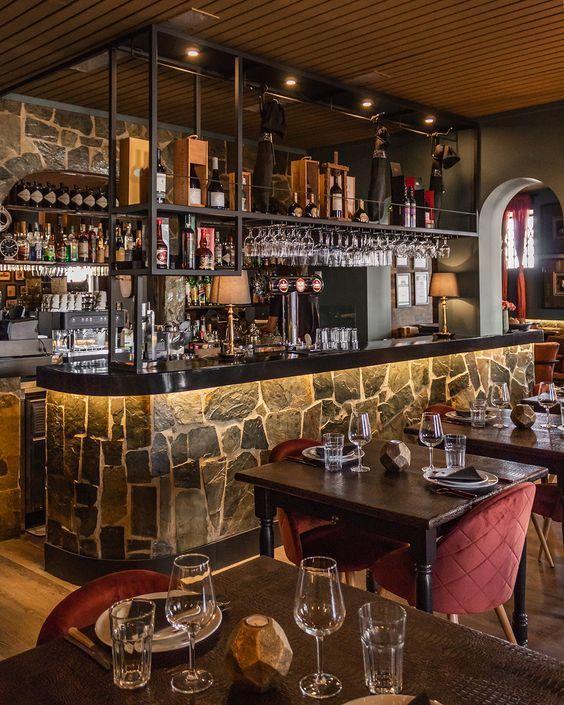
The modern win bar has exploded in popularity in recent decades. They’re found worldwide and focus on accessibility.
Wines are offered by the glass and small plates that encourage sharing. These establishments cater to a diverse audience, from casual drinkers to wine enthusiasts looking to expand their knowledge.
Contemporary wine bars are also known for their educational approach, with menus that feature tasting notes, grape varieties, and recommended pairings. Some venues even host classes, wine tastings, and events that highlight regional or boutique wines.
Cultural Influence and Global Trends
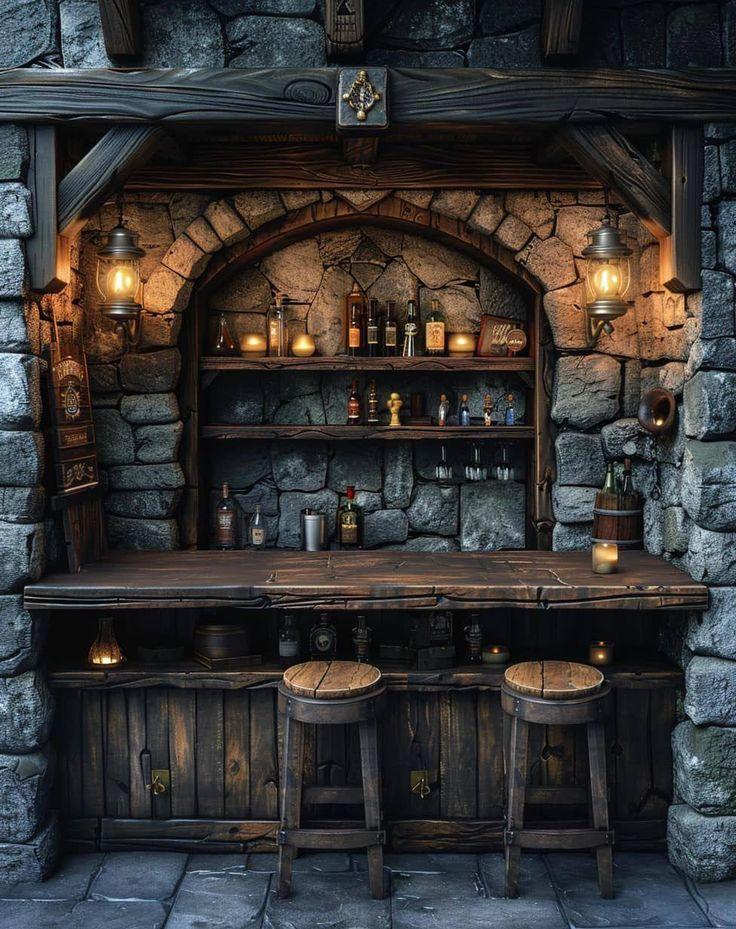
Wine bars have had a significant cultural impact, influencing dining habits, socializing, and even interior design. The concept has been adapted worldwide, where local flavors and traditions blend to become the center of the wine bar experience.
In most regions, wine bars incorporate small plates and fusion cuisine to appeal to local tastes. However, in Europe, they may retain a historical aesthetic with rustic furniture, chalkboard menus, and vintage accents.
The global spread of wine bars has also made wine more available and consumable, a unique kind of democratisation. You no longer need to invest in full bottles or wait for scheduled tastings to explore a variety of wines.
Thanks to wine by the glass offerings and tasting flights, wine bars let you conveniently experiment. You also get informed about the wines in a relaxed social setting.
Breaking Away from Traditional Bars
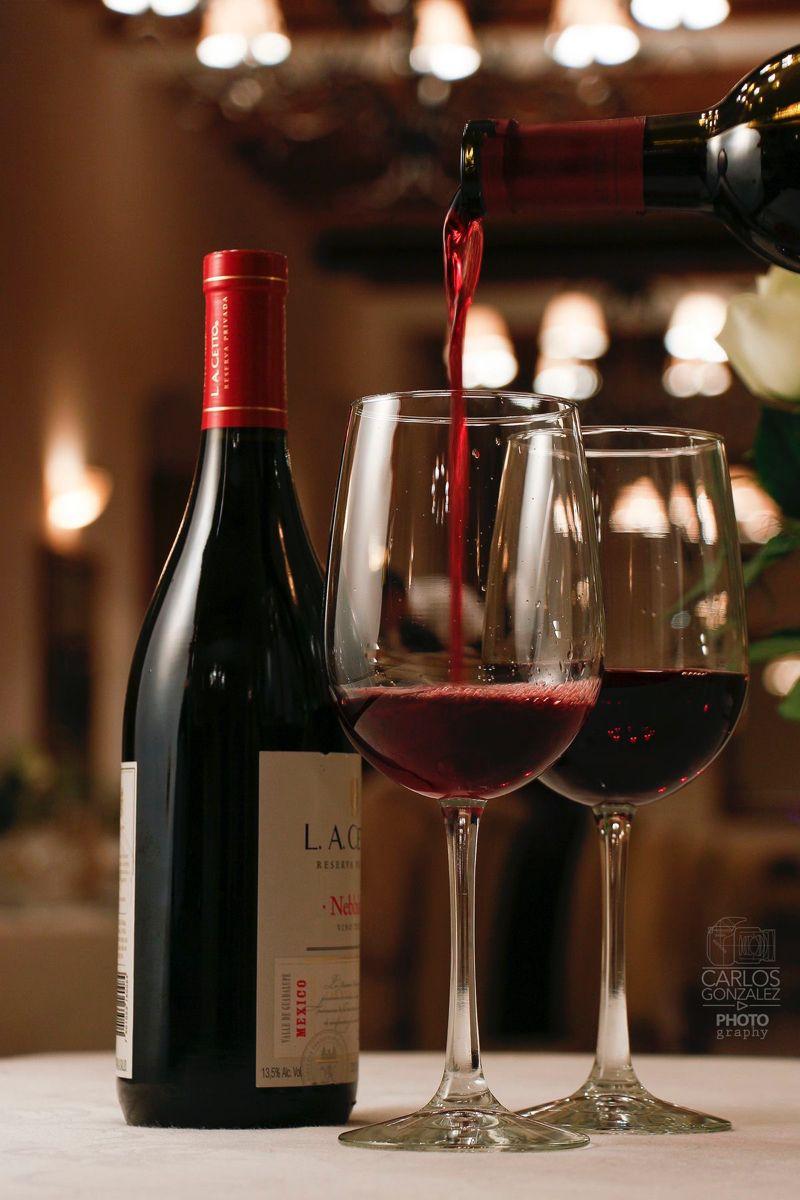
Unlike traditional bars that prioritise cocktails, beer, or spirits, wine bars place wine at the centre of the experience. The atmosphere plays a central role, with lighting, seating, and décor designed to encourage conversation, relaxation, and focused tasting.
Some wine bars retain a casual, lively energy, while others adopt a more refined, intimate ambiance reminiscent of European wine houses. The service style also differs from bar to bar.
Staff is trained to guide guests through selections, explain pairings, and suggest tasting strategies. This personalised approach makes wine bars approachable for beginners and enriching for experienced connoisseurs.
Will Wine Bars Endure?
Wine bars have been around since the turn of the 20th century and will more than likely endure because they combine history, education, and social engagement in a single experience.
Instead of offering just a drink, wine bars create a space to explore flavors, connect with others, and discover new vintages. Whether you visit a historic European enoteca or a modern urban wine bar, the experience is rooted in centuries of tradition.
The services are also adapted for today’s tastes and lifestyles. Wine bars keep evolving to meet emerging needs and cultural shifts such as the new concept of natural wine bars. Visiting a wine bar is both a cultural and sensory journey. It allows you to sample wines you might not encounter elsewhere.
You also get to learn about different regions and grape varieties, and enjoy the communal atmosphere that has defined wine bars for generations.
Looking for a wine bar in Bali? Don’t forget to make a stop at Belle Wine Bar for some of the premium bottles and glasses Ubud has to offer.